BONUS: Behind the Scenes of the National Water Strategy
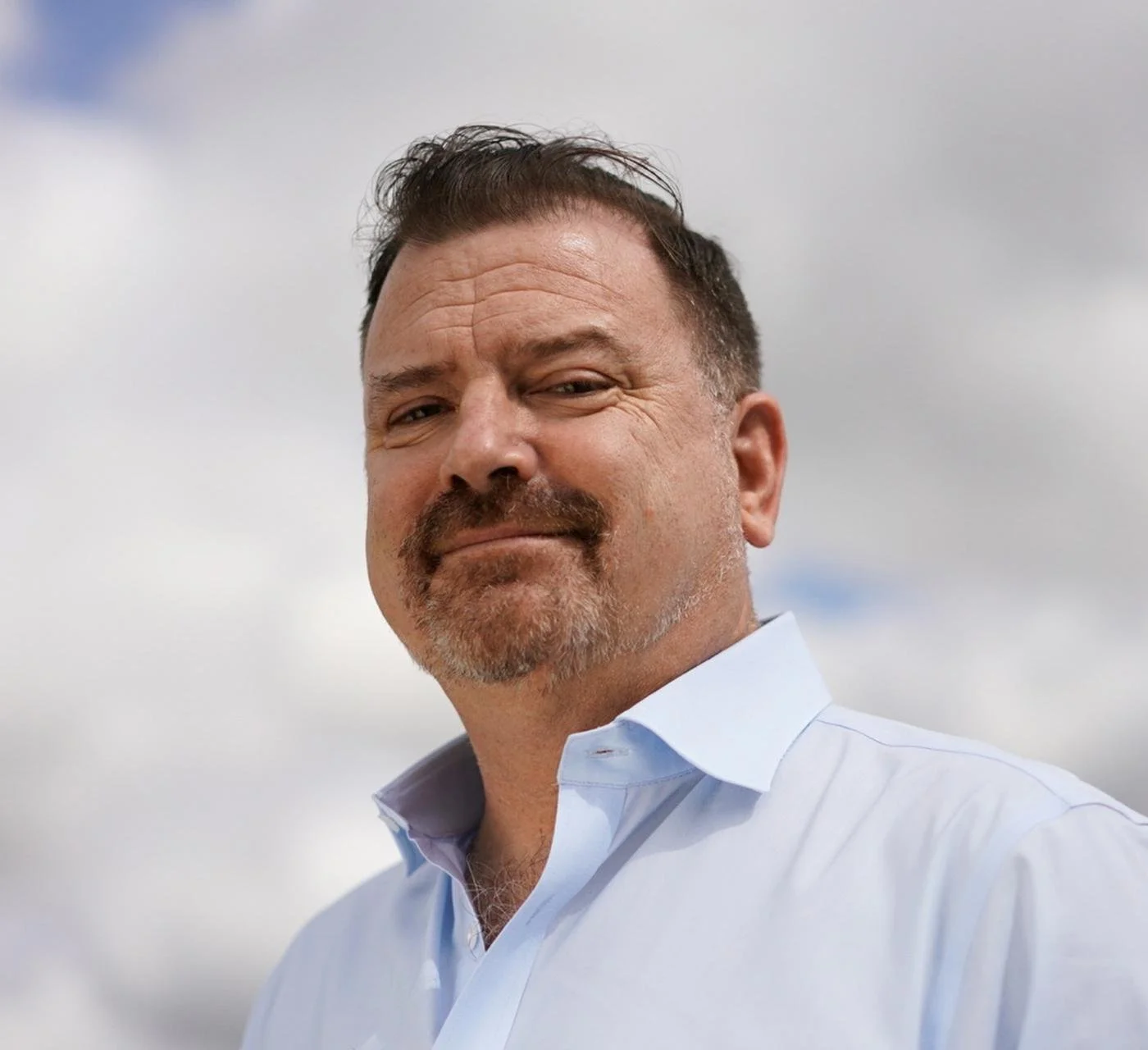
John Sabo, Director of the ByWater Institute at Tulane University
Listen
How does a National Water Strategy get created?
Over the past season, Audacious Water explored the six pillars of the new National Water Strategy — the first strategy of its kind in 75 years. In this season finale, host John Sabo pulls back the curtain on the process itself: the eighteen months of closed-door meetings, the debates at the table, and even the tension between federal and state control that shaped every pillar.
Along the way, he revisits the season's best moments with Al Cho, Olga Morales-Pate, Martin Doyle, Newsha Ajami, Melissa Roberts, Raghuveer Vinukollu, Melissa Ho, Will Sarni, and John Take, reflecting on what each conversation revealed about building a water strategy for a country as large and divided as the United States.
"The economy had to be the lead... That part wasn't a negotiation. The other pillars, those definitely were."
— John Sabo, Season 5 Bonus Episode of Audacious Water
“The economy had to be the lead ... That part wasn’t a negotiation. The other pillars – those definitely were.”
Key Topics
How the National Water Strategy Was Actually Written: John explains that the strategy wasn't drafted by one person but emerged from eighteen months of Chatham House Rule conversations across four meetings in Aspen, Austin, and Washington, DC.
The Negotiation Behind the Six Pillars: John revisits how co-chairs Martin Doyle and Newsha Ajami split ownership of the rural and innovation sections, while the group agreed almost immediately that the economy had to be the strategy's unifying pillar.
Why Water Security Is Ultimately About Freedom: John recalls his conversation with Al Cho of Xylem, whose story about swimming freely in a Zurich river illustrates that real water security means water becoming a source of joy and prosperity, not fear and restraint.
Why Rural Communities Can't Grow Without Water Infrastructure First: John revisits his conversation with Olga Morales-Pate, who argues that regionalizing small rural utilities, rather than consolidating them into larger cities, builds the capacity communities need without erasing local control.
Why the U.S. Keeps Paying More by Waiting to Act: Drawing on his conversation with Melissa Roberts, John highlights that every dollar spent on disaster preparedness saves thirteen on the back end, yet the country still spends nine of every ten disaster dollars after damage is already done.
Four Kinds of Infrastructure the Strategy Calls For: John outlines the built, natural, digital, and human infrastructure framework, and shares clips from Raghuveer Vinukollu on how reinsurance is beginning to price in natural infrastructure like levee setbacks, and Melissa Ho on why the science of human infrastructure still lags behind the science of natural systems.
Why More Data Isn't the Goal, Actionable Data Is: John revisits his conversation with Will Sarni, who argues that most households have no idea how much water they use or its quality, and that real-time, understandable information matters more than simply collecting more data.
Why Diverse Project Teams Are Producing Better Water Solutions: John recalls his conversation with John Take, who explains that bringing finance, academia, nonprofits, and philanthropy into infrastructure planning, not just clients and contractors, is what's actually driving better outcomes.
What's Next: Ranking America's Critical Water Systems: John previews the strategy's next phase, identifying a "top 10" list of critical U.S. water systems and force-ranking investment priorities around them.
Links to Relevant Studies and Resources:
Learn more about Martin Doyle and Newsha Ajami, co-chairs of the Aspen Institute Water Forum, and listen to their full conversation: Part 1 and Part 2
Read more about Al Cho and his work at Xylem, and listen to the full conversation: Al Cho: Why Water Security is Economic Security in the U.S.
Find more about Olga Morales-Pate and her work leading the Rural Community Assistance Partnership (RCAP), and listen to the full conversation: Olga Morales-Pate: Why Rural Communities Are Being Left Behind on Water Infrastructure
Learn more about Melissa Roberts and her work founding the American Flood Coalition, and listen to the full conversation: Fragmentation, Flood Risk, and Rethinking How We Manage Water
Read more about Raghuveer Vinukollu and his work in climate insights as a global reinsurer, and listen to the full conversation: Rethinking Insurance in an Era of Extreme Weather
Find more about global development and conservation leader Melissa Ho, and listen to the full conversation: Why Walling Off Nature Won't Provide Water Security
Find more about Will Sarni and his work in water strategy and innovation, and listen to the full conversation: Innovation, Data, and the Future of Water Management
Read more about John Take and his work at Stantec, and listen to the full conversation: Water Infrastructure, Engineering, and Climate Adaptation
Further reading
Read the Aspen National Water Strategy, the product of the eighteen months of meetings John describes in this episode.
John references the hundredth anniversary of the Great Mississippi Flood of 1927 and the Flood Control Act of 1928, which created the Mississippi River and Tributaries (MR&T) project. Season 6 of Audacious Water will explore this event in depth.
Review data on U.S. billion-dollar weather and climate disasters since 1980 that John references when discussing the rising cost of disasters.
“It was the great federalism trade-off that we had.”
Transcript
Coming soon.