Season 5, Episode 5: Fragmentation, Flood Risk, and Rethinking How We Manage Water with Melissa Roberts
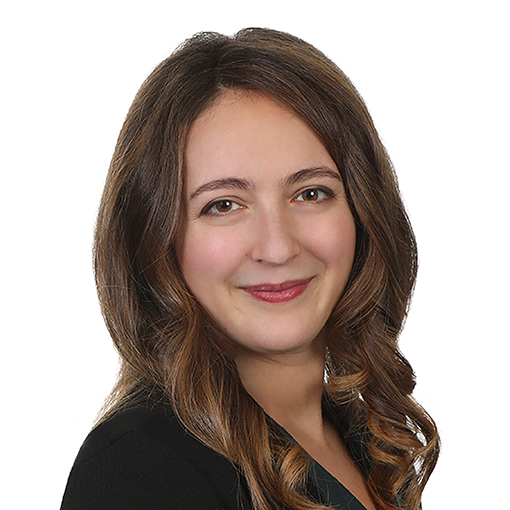
Melissa Roberts, Founder and Executive Director of the American Flood Coalition
Listen
What are the challenges communities face when it comes to taking action against flooding?
On this episode of Audacious Water, Melissa Roberts joins John to talk about fragmentation, systemic challenges, and how water really flows. Melissa is the Founder and Executive Director of the American Flood Coalition, where she works with leaders across the country to create local solutions to flood management and pass legislation that helps further flood resilience.
Melissa and John discuss the importance of managing flood risk at scale, what that looks like for communities, and why fragmented water governance makes taking effective action so difficult, even when we know the risks. They also talk about how a new national water strategy could help bring these pieces together and move us toward more coordinated, forward-looking solutions.
“The latest figures after decades of research are that a dollar on the front end saves $13 on the back end. And you look at that and you go, wow, if I had a personal investment where I could invest a dollar and know that I’d get $13, that would be amazing. I would take that in a heartbeat.”
Key Topics
The Challenges Local Leaders Face When Trying to Act on Flood Risk: Melissa shares how many mayors and local officials understand flood risk is increasing but face barriers like fragmented funding, complex programs, and limited capacity that make action difficult.
Why Managing Water at the Watershed Level Matters More Than Political Boundaries: John and Melissa discuss why water must be managed according to how it actually moves rather than along city or state lines.
How a Systems Approach Helps Scale Solutions: Melissa explains how treating flooding as a systems problem makes it possible to scale solutions and unlock co-benefits like improved soil health, better water quality, and economic gains.
Why Preparedness Is Far Less Expensive Than Disaster Response: John and Melissa talk about why decades of research show investing upfront in preparedness costs far less than responding after disasters occur.
What Needs to Change at the State and Federal Level to Reduce Fragmentation: Melissa outlines how outdated laws, old flood maps, and a fragmented disaster system prevent communities from managing flood risk effectively.
Why Innovation Is Critical to Managing Future Flood Risk: Melissa describes why innovation, including better data, modeling, and computational tools, is essential as storms grow more intense and flood risks increase.
Links to Relevant Studies and Resources:
Read more about Melissa Roberts
Learn more about the American Flood Coalition and its work supporting local leaders on flood resilience
Explore watershed-scale flood modeling and research from the Iowa Flood Center that Melissa mentioned in the Cedar River example
Read about the farm pilot in the Cedar River Watershed Melissa mentioned
Read the report on the economic benefits of investing in climate resilience, including the $13-to-1 savings Melissa referenced
Review data on U.S. billion-dollar weather and climate disasters since 1980 that John discusses
Learn more about the Florida Flood Hub, discussed as a state-level model for coordinating flood data and planning
Further reading
Read the National Water Strategy released by the Aspen Institute
Read the Government Accountability Office (GAO) report on flood risk management and federal fragmentation
“I just can’t imagine we can have everything else that we want in this country - healthcare, education, vibrant communities - if we’re going keep paying for disasters in this incredibly expensive way that also doesn’t prevent any of the pain.”
Transcript
START (AUDACIOUS WATER EPISODE 5, SEASON 5 WITH MELISSA ROBERTS)
JOHN: Welcome to Audacious Water, the podcast at the center of water and climate adaptation. I'm John Sabo, director of the ByWater Institute at Tulane University. On today's show, fragmentation, systemic challenges, and how water really flows. My guest is Melissa Roberts, Founder and Executive Director of the American Flood Coalition. Melissa works with leaders across the nation to create local solutions to flood management, and pass legislation that helps further flood resilience. Melissa and I talk about the importance of flood management at scale, what this would look like for our communities, and why fragmentation and water governance makes taking effective action so difficult.
JOHN: Melissa, welcome to the show.
MELISSA: Thanks for having me.
JOHN: Yeah, this is going to be fun. Let's dive right in. Tell me about the flood coalition--why did you start it and what does it do?
MELISSA: Yeah. So the American Flood Coalition is a non-profit coalition of cities and towns, business leaders, civic groups, you know, really folks on the front lines of flooding, working together to help adapt to, you know, higher seas, stronger storms, and more frequent flooding we're seeing across the country. I can say, this is not what I thought I would be spending my time on. You know, I started my career in infrastructure finance, and I saw in my own family and community how costly even more minor flood events could be, you know, the ones that don't make the headlines but you get a couple inches of water in your basement and that's $20,000 you don't have. And so I started poking around and saying, "What are people doing in this space? What's going on?" Went to First Street Foundation working on flood risk data, and ended up starting the American Flood Coalition. Because I would go and talk with mayors of small towns, community leaders, chambers of commerce, and say, "Hey, why aren't you doing anything? We know that flood risk is getting worse. We've seen how devastating it is." And especially mayors would look at me and say, "I know this is getting worse. I've lived here my whole life. I understand that. But the science is complicated. (I'm not trying) to explain it to my voters. I don't actually know what to do about it. And even if I know that I need to raise a road or fix a wastewater treatment plant, I can't pay for it. And even when there's state and federal money, there's too many hoops to jump through." And they'd look at me and say, "Honestly, I'm a part-time mayor. I have a full-time job. I have four kids. I hope the next storm hits when I'm not in office." And so it became clear to me, I mean, we have so much knowledge of the data of what's happening, and it's so hard to make the decisions that help protect communities. So that led me years ago to start bringing together these local leaders and building a coalition that could help do that on the ground, but also really lift up their voices. Because the state and federal system we have does not work, and we need to reform it.
JOHN: Wow, that's super interesting. So tell me about the pipeline and, like, where your hands are on the decisions, the data, that sort of thing. Like, how do you help that process along?
MELISSA: Yeah. So we think of this - really we're grounded in local work. What are the challenges? If you are the mayor of a small town, or a medium-size town, in this country dealing with flooding and you want to do the right thing, what's stopping you and what makes that hard, and then how do we change that system? So we're thinking about everything from how do we pilot and demonstrate innovative solutions on the ground, like using multi-cropping in Iowa to improve soil health and reduce flooding. Or, you know, redeveloping parks that can serve as community space and hold flood water. And then we're thinking, why are these the exception and not the rule, right? We know a lot of this works, a lot of this is actually historic wisdom we've had in practices we used to use. And so how do we change all of that splintered funding, the (hairball) of federal programs, the mis-incentives, the bad data, that keep us from getting to have these better solutions? So we kind of think about projects, building power, changing state and local laws, changing federal laws, to create a system that can actually protect us from what we know is kind of here today and coming, right? We know there's going to be more intense rainfall, more flooding.
JOHN: Wow, so that's something I didn't know about, the work that you guys do. You just talked about shove-ready projects essentially that you're lining people up, and in different contexts. One was on the farm, and the other was in a small town or in an urban area. Do you get much opportunity to connect the dots between those two different contexts?
MELISSA: Yeah, that's exactly what we're thinking about. So if you take that example of the farm pilot, we actually worked with, you know, some institutions in Iowa where we have that pilot to say, if you scaled up those practices of multi-cropping, keeping that working land in production, but having a second root system that could hold more water, what would that mean for the urban areas? And we saw that if you recreate what happened in 2016 you could actually save 500 homes and businesses in Cedar Rapids by changing what you do in agricultural areas. So we really see it as one system, right? Water's connected, as we know, upstream and down stream. And so when I think about how do you scale that up, how do you take the promise of these pilots and interconnect them, it really makes me think about how much we need watershed and regional management, and a strong role for the state. Because if we just think about this as water within all of the, you know, county and city lines, and don't think about how it connects, we're often going to do things that are more expensive, that create problems downstream, that aren't innovative. And so I'm really excited by the idea of how do we think about these systems? What can you do in rural areas? What can you do in urban areas? How can they work together to fund the best project, but even if it might not be within their municipal boundary?
JOHN: That's amazing. And there's all kinds of co-benefits from that, too, right? Like soil conservation on the farm, nutrient reduction and water quality improvements. I guess it depends on the intervention that you're thinking about on the farm. But I'm just thinking about Lisa Schulte Moore, who was on my show two years ago who does prairie stripping, and puts prairie strips in different shapes and sizes on farms in Iowa, with some of the same impacts. I love that you're connecting it to cities through the system. I think that's very important.
MELISSA: Yeah. And I would say, too, you know, one of the pilots is led by Loran, who's at FLOLO Farms, and, you know, he has the part where he's doing multi-cropping and he has a conventional strip. And we were there right after there was this sudden downpour that we're seeing now more all across the country. And you could literally see, you know, in the places where you were thinking about multi-cropping, thinking about these deeper root systems, you could walk through the field 20 minutes later and you weren't squelching into the mud because of the quality of the soil. And it was really different when you thought about (inaudible) the traditional methods. And so that's what we're hoping for--better soil quality, increased money for farmers from the secondary crop, better water quality, and less flooding. And look, like, we know now we don't have a lot of dollars to go around. So anytime that you can invest a dollar like you're saying, and get all of those benefits, it's a pretty good deal.
JOHN: I agree. You know, like, I work in the private sector with companies that are big food producers, and they source from some of these farms, right? And they're interested in regenerative ag, they're interested in ag best management practices like you're talking about. And the question always comes to me, we can see that these practices have benefits on the farm, but do they scale to the watershed? Talk to me about how you guys make those connections.
MELISSA: Yeah. We actually did some work with the Iowa Flood Center and Iowa State to model that. And we were able to actually see what does it look like to scale up? And the thing we should be honest about is, you know, there are benefits if you do it on a single plot of land or a single farm; it can help reduce a little bit of flooding. But you don't really get the benefits until you scale it. And so if you take a whole watershed - we actually worked to model the Cedar River Watershed, which is where Cedar Rapids is, and then we were able to really see how much water can this absorb? It can reduce peak flows by 30%. And then when you translate that to what it means for a place like Cedar Rapids, that's when you see, okay, when we went through the terrible 2016 storm, you know, there are 500 homes and businesses that could've been spared. And so I think part of what we have to do if we want to scale this is coordinate across the watershed, and, you know, pick a watershed and do it together. A scattershot approach isn't going to get us very far. But it really does scale, and there's a lot of money there. You know, think about how much it costs us as a country to repair those 500 homes and businesses. What if we had used that instead to help scale up this practice that gives us all these other benefits where farmers are really leading the solutions?
JOHN: Preparedness is less expensive than the response to disasters, in other words.
MELISSA: Exactly, right. We know this in so many contexts, but I think the latest figures after decades of research are a dollar on the front end saves thirteen dollars on the back end. And you look at that and you go, wow, if I had a personal investment where I could invest a dollar and know that I'd get thirteen dollars, that would be amazing; I would take that in a heartbeat. And yet as a country we know that's true, and we still spend nine out of every ten dollars on the back end of a disaster after people are already killed, after homes are destroyed, after people's lives are devastated, when we could be getting a much better deal, right? So I think that's what folks like you and I are really trying to promote is this can be better and cheaper.
JOHN: Exactly. So thirteen-to-one ROI. Yeah, I was thinking maybe three-to-one or something like that. And that even is a huge number when you think about how much we spend on disasters to begin with, right? But thirteen-to-one, does that work for floods? Does that work for other things besides floods, or is that flood-specific?
MELISSA: I mean, I think we know it's true in many contexts. That number is from looking at, you know, riverine and other types of floods. But we see similar numbers across the board. Not to mention, I mean, it would be great to save taxpayer money; we'd also love to save people from going through the type of devastation we're seeing in, you know, western North Carolina, Louisiana, Texas. That's the real payoff is preventing that sort of tragedy.
JOHN: And one of the figures that I like to tell people, in the same vein that you're using this logic, is if we add up all the billion-dollar disasters since 1980 that are water-related, it adds up to about 7% of the national debt.
MELISSA: Yep - yep. This is a huge driver.
JOHN: Right. They're not small numbers. And thirteen-to-one ROI is incredible. Okay, and this is - I don't think this is a left-field question, but you describe the Flood Coalition as the first and largest grass-tops coalition. Tell us about that and why that's your tagline.
MELISSA: Yeah. I think it's really important - you know, there are coalitions mobilizing different people. And if you're in the U.S. seeing these issues there's a way to get involved. For us, what we do that's unique I think is work with those local decision-makers. So we have cities and towns that are members, we have mayors, we have chambers of commerce, local realtor chapters, local businesses, local civic groups, local military leaders who are coming together to address this. So we're really saying who can make decisions on the ground to protect people today, and how do we support those leaders? Because they have a really hard job, right? We've taken one of the most, you know, vexing, complex challenges that you could be dealing with in the world today, and we've put it at the feet at a lot of local mayors, and councilmembers, and county commissioners who have full-time jobs on top of this, who don't have a lot of resources to deal with this, who are figuring it out for the first time. So encouraging those local leaders and helping them be able to do the good work they want to do is so important. And I think it's really important working in this coalition that we're seeing not just one instance, but we're seeing these stories across the board. And we're also seeing where we can change how we do things at the state and federal level to make it easier for everyone.
JOHN: Super important work. It makes me think that you're shaking hands with folks on both sides of the aisle when you're doing this work. You have to be, right? Like, that's got to be part of your work. Talk to me about that.
JOHN: Yeah, it's core to our DNA that we're a bipartisan organization. I think people come to this in different ways, but what we see is, you know, if you're flooding and you're a local mayor, this is the thing people pull you aside at the grocery store to talk about, right? This is a thing that people bring up in council meetings; this transcends political parties. And one of the things that I'm really proud of in a lot of our work--like we've been deeply involved in western North Carolina after Helene--is just seeing people in different communities who didn't work together before across, you know, some vast political divides, come together to try to make things better in their region. And I think at a time where people could've competed, could've - you know, in a time of vulnerability felt more disconnected and more polarized, we saw the opposite. We saw people coming together to really try to do right by the people that live in that region. And that's what I've seen in this issue. I think you've probably seen this in your work, too, that it's something that just brings people together. And honestly if we can't get this right, this is the first - I think of this as one of the first duties of a functioning government, right, to be able to protect people in the worst moments, like a disaster. And so I find a lot of hope in seeing that, in seeing the way people think about this, and come together, and are able to get things done.
JOHN: Yeah, water is - I mean, I'd say generally water is non-partisan, right? Like I can have the same conversation with a senator who's Republican than I can with a senator who's Democrat about water infrastructure and the need for water. And I think that your description of the importance of this in the context of disasters is even more front and center. Nobody wants to experience that. And it is - it does fall in the lap of a mayor, as you said, of a town to be able to say what they're going to do to prevent it. Let's turn to the water strategy, because you've been engaged in that with me for over 18 months, and longer than that at the Aspen Institute and the Water Forum. Talk to me about the strategy - it's been 75 years since we had one. And we've been plodding along without it for that long. Why do we need one now?
MELISSA: I mean, we've never had more threats related to water, whether it's water quality, a lack of water in drought, too much water with floods. And I think the 75 years you mentioned is indicative of everything we're dealing with in this issue, right? We have, you know, laws from over 100 years ago. We're using maps from the '70s and '80s that look backwards to tell us what the risk is going to be. Now we have - we don't have a coordinated strategy, and I think that really hurts people in real ways. Just to give an example, looking at the disaster system--it is over 120 programs, over 20 agencies, and this is meaningful to people. When I work with people after disasters you see homeowners who are being given the runaround. It will be five years and they're told, go to SBA, get the rejection from the Small Business Administration, even though you're not a business. Then go to FEMA, and then try to work through maybe one of six buyout processes. And what it ends up in is people's lives just can't move forward, right? They might be paying the mortgage on a home they can't live in, they don't know whether they should re-enroll their kids in school in that area, they don't know how to move forward, they're still waiting on a payout. I mean, this is just not how we treat people, or we should want to treat people. And so I think it really matters what the system's like, because it's meaningful to people's everyday lives.
JOHN: I like that answer.
JOHN: Coming up, Melissa and I talk about the new water strategy, why innovation and thinking beyond city and state lines matter, and what this means for how communities prepare for future disasters.
JOHN: You know, I've had several guests on this show who have given that similar line "meaningful to their daily lives," but not in the context of disaster. So I want to dig into disasters a little bit more with you. But before we do that I want to ask you, in the strategy - what do you like in the new strategy?
MELISSA: I mean, a couple things I really like. I think one is, people don't always put together water and innovation. And I think that's a big miss, right? There is so much innovative work we could be doing, innovative projects, innovative financing, ways that we've been forced to think about solving multiple problems at the same time. And yet we just default to doing things like we've been doing for 80 years, and that's just crazy. So I like that, and thinking about what we can do that's new. I like that we're thinking about urban and rural solutions, and thinking about how they can help each other, and that at the end of the day we're really thinking about watersheds, right? If we're talking about water, water moves in watersheds, and that's how we've got to think about it. You know, it's a surprise to no one that, you know, flooding does not get to the city line and stop because we've drawn a line on a map. And so I think it's realistic, and I think it's what we need to move forward. I can't imagine - you know, you gave the stat about how much of our GDP we're spending on disasters. I just can't imagine we can have everything else that we want in this country--healthcare, education, vibrant communities--if we're going to keep paying for disasters in this incredibly expensive way that doesn't prevent any of the pain. And so I see it as fundamental, and I think that's true for other pieces as well--thinking about water quality, thinking about drought. I mean, this is a precondition to get to anything else we want for a vibrant economy, for national security. And so I think putting it all together makes it a lot easier to digest.
JOHN: Very good. Tell me about how you might use this strategy in your work.
MELISSA: Yeah. I think it's important - you know, we're the American Flood Coalition, right? We're obviously thinking about flooding. But I think with the complexity we have today, we all have to be thinking about these intertwined issues. We have to be thinking about how flooding can create public health issues, how flooding can create wildfire, and then you have water-quality issues. We have to be thinking about this together. So what I'm excited about is that this was a really - this process brought in people from really different perspectives working on different issues, to find those connection points, and to make sure we weren't solving one issue while making another issue worse. And so I think that's what I'm excited about is really being able to see how our piece is one part of a broader strategy, but how we can really push on those things where there's alignment together and think about that.
JOHN: Super cool. My favorite two pieces of the strategy are the disaster section and the infrastructure section, and the connections between those given that we expect to see disaster frequency and intensity continue to increase. How does the American Flood Coalition address that piece, like the future-forward stuff?
MELISSA: Yeah, that's so important. Because I think anyone who's opened a newspaper in the last year is probably hit over the head by the fact that we've just had disaster after disaster, whether it's increasing, you know, hurricanes, rainfall, events like Helene, what we saw in Texas, or wildfires, this is very different. And we need to be prepared for what's to come. And I think it's just common sense, right? We know that these are getting worse, and we know that if we're building and putting in new roads, or if we're recovering from a disaster, we want to build things so that people will be safe tomorrow, not so that it's, you know, well-built for the conditions of forty years ago. And so I think what we need to be doing - you know, I have a couple things. One is, every time that we're building infrastructure, we should be making sure that it's resilient to flooding, to wildfire, to drought. You know, we don't want to be wasting taxpayer money building infrastructure that will not serve us for the lifetime it's intended. That's a basic thing that we can do and should be doing, but are not. I think another piece is, when there's a disaster and we're rebuilding in a place like North Carolina, in a place like Alabama, we should be thinking what will it take so that this never happens again in this community? What will we take so this community is much better off? So, you know, I'm working with communities where they had a disaster, they saw that the wastewater treatment plant flooded, and now they're trying to put it on higher ground. That's common sense but it's not what our system's set up to support. Our system is set up to say "build things back the way they were." And that's something that's really got to change, because we honestly just can't afford to do anything else.
JOHN: Yeah, well put. You mention examples in North Carolina and Iowa, and I know you've worked in other places, Florida, and other places in the U.S. How does - how is there enough of Melissa to go around to all those states? Tell me about the structure of your coalition and how you execute on such a broad portfolio.
MELISSA: Well, I'm really thankful that unlike in the very early days where it was, you know, me in my car driving town to town, meeting with every mayor. That is no longer the case. So, you know, at this point I think we're probably the largest organization and staff focused on U.S. disaster preparedness and adaptation. So we have a staff of, you know, over 30, going to 40 folks based in these states who are working on it, and most importantly, a really strong coalition of local elected officials. You know, over 500 folks who are living this every day and are helping drive the conversation on what we need. So that's been exciting for me is the ability to kind of grow this. But my ultimate goal is not that AFC keeps growing, right? The goal is that we create structures where we're actually managing this risk, and that the need for what we do goes down, and is, you know, eventually hopefully not needed at all, right?
JOHN: How many of those states, or how many states in general in the U.S. have state flood systems that integrate data across the different domains that we've been talking about in order to address this increasing risk that we've ben talking about as well?
MELISSA: I mean, very few. Something I'll point out is that in many states--and this is one of the things that frustrates me most--you have one set of boundaries for flood control, you have a different set of boundaries, and maybe a different number of regions, for water supply and drought, and then you have a different map when it comes time to think about water quality. That's crazy. And I think it just makes it really hard to actually engage locally and to come to good answers. And in most places they're actually fractured, right? Different funding cycles, different agencies, different requirements, different, you know, literal boundaries on the map. And so it's very hard to do. And I think there are some states doing a great job at integrating some of this data. You know, Iowa Flood Center has really been a pioneer in Florida. They have the Florida Flood Hub that's doing incredible work, but we need a lot more of this, right? If we don't have the data, it's kind of like we're blindfolded throwing darts; we're probably not going to get where we want to be. And so there's a huge need for just the right data and being able to use it in a way that can help protect people and, you know, communicate the risk and save people's lives when there is that event.
JOHN: Right, I'm very familiar with the Iowa Flood Center and its data products, because Ibrahim Demir is now at Tulane and the ByWater Institute.
MELISSA: Right.
JOHN: And I've studied it, and as you said, it's kind of the north star for many states. Are there other states that you think are close to having something of similar capacity, I guess is the right word?
MELISSA: Yeah, I mean, I'd highlight I think Florida's really been a leader here with the Florida Flood Hub, where they're working to really integrate a lot of the data in modeling, and make sure that when we're looking across the state it's not apples and oranges, right? If, you know, people are using different sea-level rise curves, different future rainfall forecasts, different timelines, it's really hard then to be in the position of being a state chief resilience officer or similar and say, "Where do I need to put infrastructure or projects to protect the most people when none of the data is speaking the same language? So I think that's foundational. I think more states need it. There are a number of states getting started. There's good work happening in Illinois, in Missouri, in South Carolina, but I think there's a long way to go.
JOHN: You called out innovation, the innovation part of the strategy earlier, and I had a good conversation with Will Sarni about this earlier. Talk to me about the role of AI and data science in general in making these centers, you know, including the Iowa Flood Center, whole.
MELISSA: Yeah. I mean, something I'm really excited about is we've obviously had some massive breakthroughs in machine learning and just computational power that's available, and we need to harness that for some of our biggest public challenges, right? You know, and so what I think about is, one, you know, in the past it's really been limiting that it took so much money and computational power even to understand, you know, where water is and how it moves to let us figure out how we needed to build projects. And I think we're really at a turning point where not only can we use machine learning to do that in a faster, cheaper way, I mean, we have whole swaths of the country now that we really don't have basic data for, especially in the Midwest. And then on top of that, we could be asking more interesting questions, right? What I'm thinking about is how can you layer what we know about flood risk and how water moves with what we know about wildfire ignition, and water quality, and drought, and try to say not just what is the project that will prevent flooding in this area, but where could we put projects that will get us the most on all of these, right? Give me a project that instead of solving 100% for flood risk, gives me 80% flood risk reduction, but also gives me 80% wildfire (production), and 50% drought reduction, and 30% improvement in water quality. And I think it can really help us get to better project selection, because we finally have the ability to overlay more of these data sets and models in a way that speaks to each other.
JOHN: Well, that makes total sense. And there's a model for it in the go-go years of dam-building in the west, right, multi-purpose dams had multi-purposes, right? They were flood control, water storage, recreation. So the philosophy should already be embedded in government projects and private-sector projects. It's the multi-benefit piece that's so popular in corporate water stewardship right now. Totally agree with you. Let's move to maybe a last question, and it's a follow up on the innovation idea, something I also talked to Will Sarni about. I used to live in Phoenix, and in Phoenix you can get into an Uber that doesn't have a driver anymore. And for a lot of people that's scary. For me, in a city like Phoenix that's laid out like a grid, I know that it's going to work pretty well, and I know it's been tested pretty well. I feel safe. I don't feel unsafe seeing 10 or 15 of them a day, driverless vehicles. Do you think that at some point in these small communities that may not have the capacity support of hydrologists in flood control, that we will have an agent that informs a human decision-maker about risk that's on the horizon in a day, and that we'll trust that?
MELISSA: Oh, absolutely. And I think it's already happening, right? I mean, I think what we're talking about is the transition in many of these places of, you know - we have many places in this country, you know, smaller places, where we haven't even digitized where the pipes are. So we don't know how water is going to move when you get intense rainfall, because we're not even sure where the holes in the ground are, right? They might be, on paper, in the filing cabinet, they might have never been mapped. And in many places the reason this is expensive and this data doesn't exist is because you actually have to send out a physical survey crew, right, you're sending out people with, you know, tools to go make these measurements. That's really expensive. And I think there's already a shift to saying what can we be doing with satellite data, what can we be doing with the type of data, you know, First Street, or Fathom, or other companies are using, to get a better picture? So the idea that we go even further there and say, you know, we have satellites orbiting the Earth that can see a blade of grass in intense precision, yet we still have hundreds of people die in floods that, you know, take place over hours because we don't see it coming, or we don't get warnings out, to me that does not make any sense. We have the technology for this. And I don't think people are going to be scared of it; I think people are going to demand this. I think people are going to see what you're seeing, which is we have driverless taxis and we have all these other advances, and yet we haven't made advances in some of the basic public goods that people need. Like you can't tell me when it's going to flood and I need to leave my home because the cell phone signal went down. I think more and more people are going to and should be saying, "That's absolutely unacceptable," right? We can do better and we demand better.
JOHN: Fantastic. Well, I'm glad I got to that last question with you, because it was fun to dig into that futurism. Thanks for being on the show with me.
MELISSA: Awesome, thanks John.
JOHN: Okay, that's a wrap. Robots and people. We will have robots as flood managers one day, but we still need people for climate adaptation. My guest Melissa Roberts took that prompt and expanded to a vision for the future of flood control. Why robots? Well, after all, we're taking Uber rights with autonomous vehicles across complex urban terrain, and in some cases they may actually do better than people. They don't drink and drive. They learn objectively from data, lots of it in fact, collected across the whole fleet. And they learn risk from these data and make decisions that are not based on being late to the gym or the school pickup line. Why people? We can't actually make the decisions we need to make about how to prevent floods without people. Robots may know how to do this objectively based on flood risk, but it takes real people to approve, finance, and build the projects. And without local buy-in we will always fall victim to "not in my backyard." No, robots don't have backyards; real people do. Bridging the gap between decision-making and community needs still remains a challenge. Cyber and social infrastructure are key components about any decision to implement built or natural infrastructure projects for climate adaptation.
JOHN: That's it for this episode of Audacious Water. If you liked the show, please rate and review us and tell your colleagues and friends. For more information about Audacious Water, and to find in-depth show notes from this episode, visit our website at AudaciousWater.org. Until next time, I'm John Sabo.
[0:33:26]
END (AUDACIOUS WATER EPISODE 5, SEASON 5 WITH MELISSA ROBERTS)